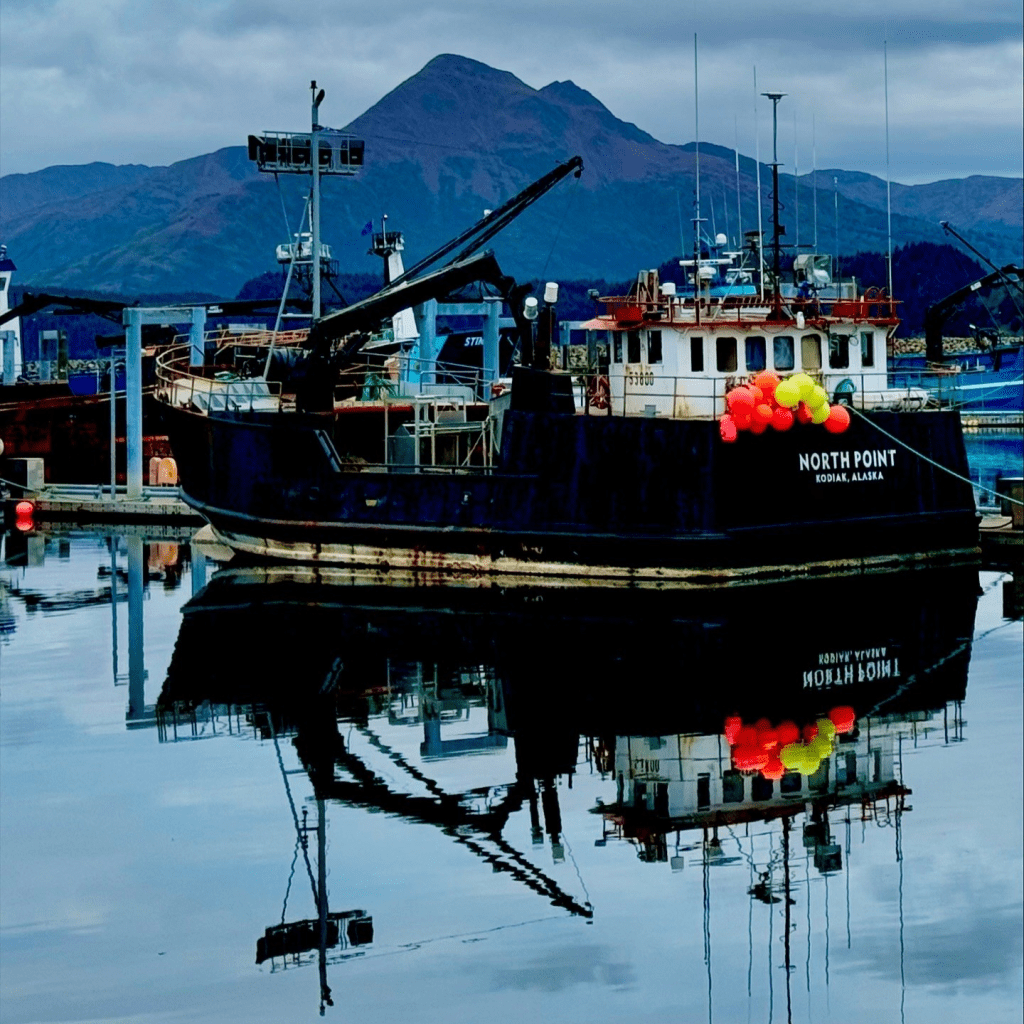
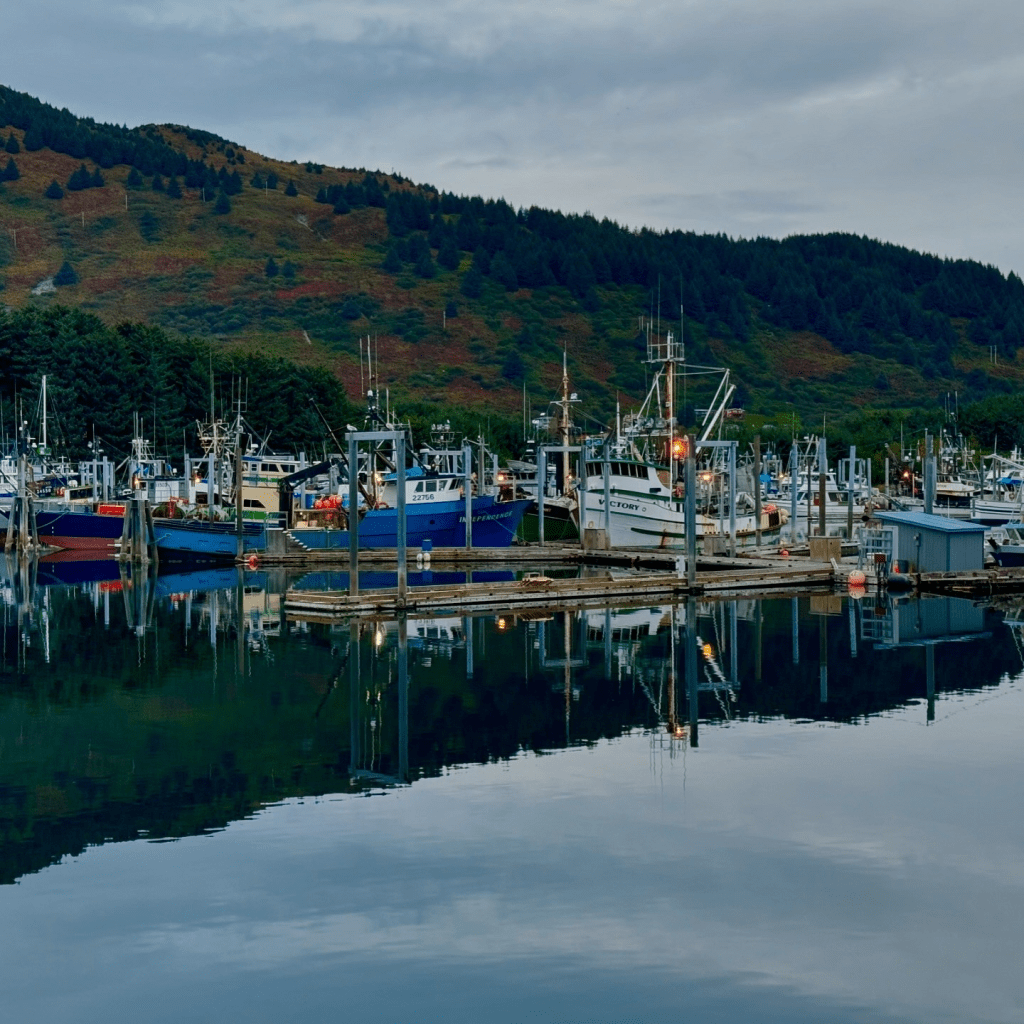
Today I left the city of Kodiak to head to my first assignment in Akhiok, Alaska!
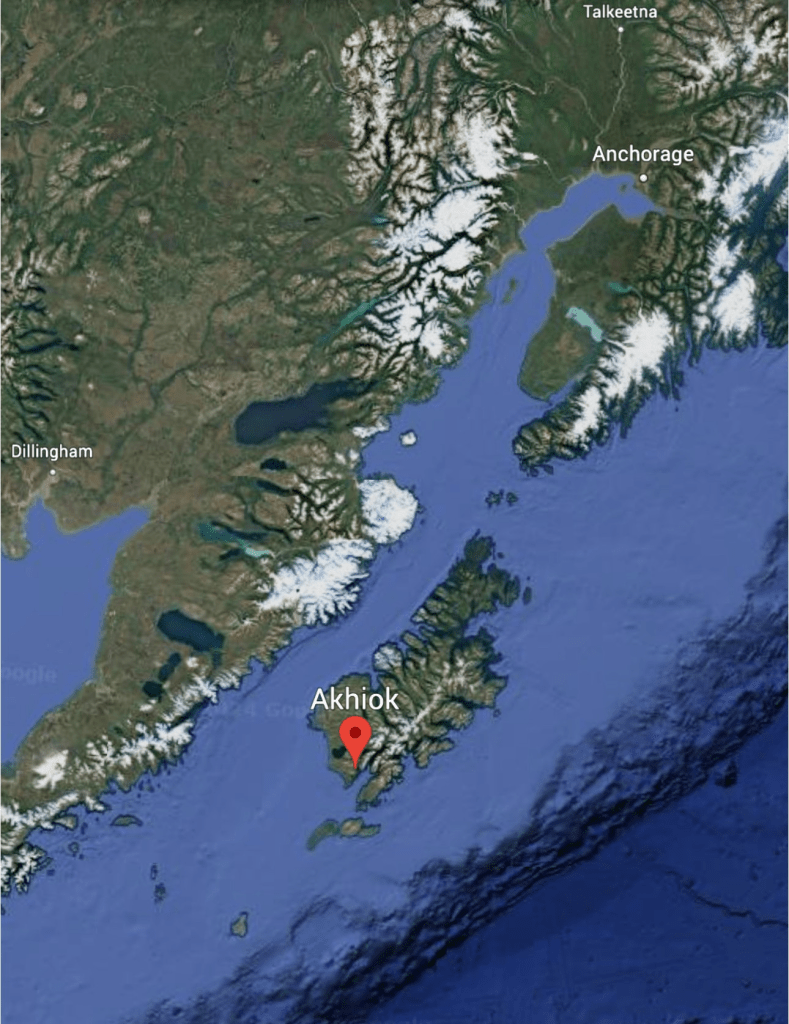
Akhiok, located about 80 miles southwest from the town of Kodiak and 340 miles southwest of Anchorage, is one of several indigenous villages on the Island of Kodiak, and the most remote village on Kodiak Island.
Akhiok is located at 56.945560° North, 154.17028° West, and encompasses a little over 10 square miles with about 8 square miles comprised of land, and the remaining water. It is on Alitak Bay at the southern end of Kodiak Island.
Strong marine influences govern Akhiok’s climate with frequent cloud cover and fog; moderate annual precipitation (35″); and little to no freezing weather. Because of the strong maritime influence in Akhiok, temperatures remain within a relatively narrow margin from 25 to 54 °F (−4 to 12 °C). In the winter months, severe storms are common, resulting in limitations on travel in and out of the village by both air and sea.
While there are no services here, there are services from the city of Kodiak into the village via plane or boat. There are no roads or means to hike in. You either come on a plane or in a boat. Akhiok facilities include a well maintained, state owned, 3,120′ x 50′ gravel airstrip (PAKH), one public school for all grades K-12, the Protection of the Theotokos Chapel—a Russian Orthodox Church, and a cemetery.
There is little to no infrastructure, people or local economy with the village population being just over 60 encompassing both adults and children, and the majority being Native American, followed by Asians, Whites, and Latinos respectfully.
The aforementioned factors make Akhiok a place less traveled as there is little tourism without any grocery stores or restaurants, and very few lodging options (1-2 air B&B style for hunting and fishing) and no none that caters to tourists needs. Regular and charter flights are available from the city of Kodiak. Barge services are sporadic; there is a breakwater and boat launch.

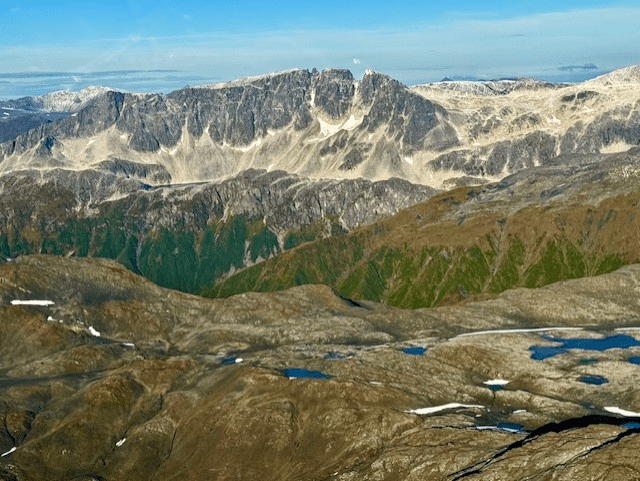
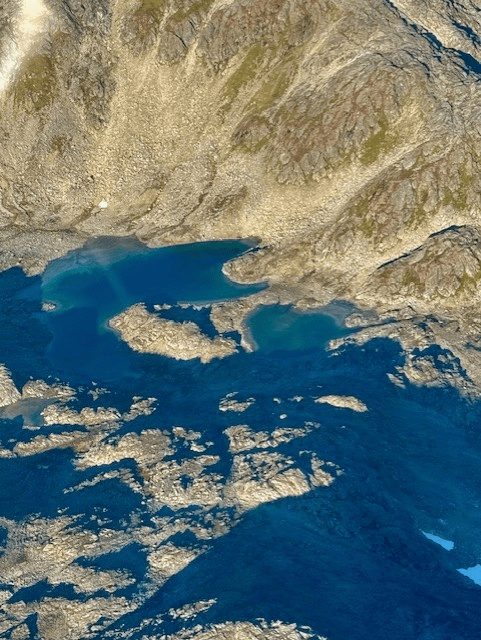
The limited resources, remote and rugged location, and the cultural influences make Akhiok unique and unforgettable.

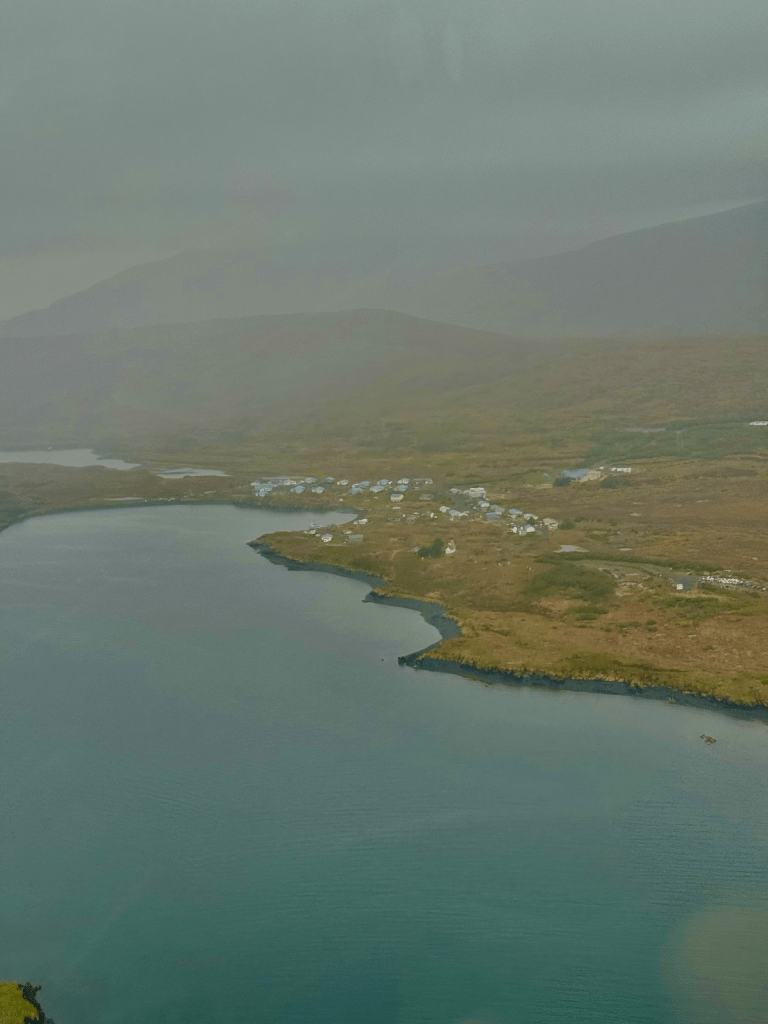
All pictures from here down to bottom page NOT mine – taken from the internet.
Akhiok History and Cultural Influences
Akhiok is an Alutiiq village. Alutiiq people are one of 8 Alaska Native peoples who have inhabited the coastal environments of south-central Alaska. Their traditional homelands date back over 7,500 years and include areas not only of the Kodiak archipelago, but the Kenai peninsula, Prince William Sound and the Alaska Peninsula. In the early 1800s, there were approximately 13,000 people and more than 60 villages. Today, there are approximately 4,000 Alutiiq people that live in Alaska.
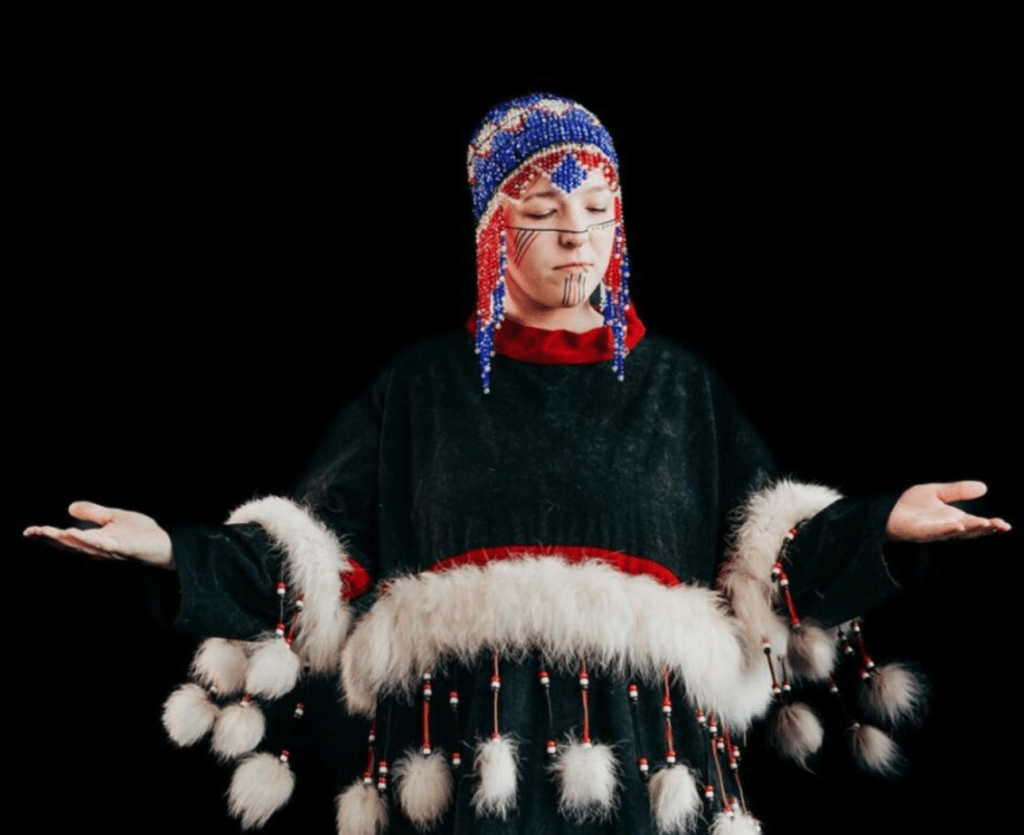
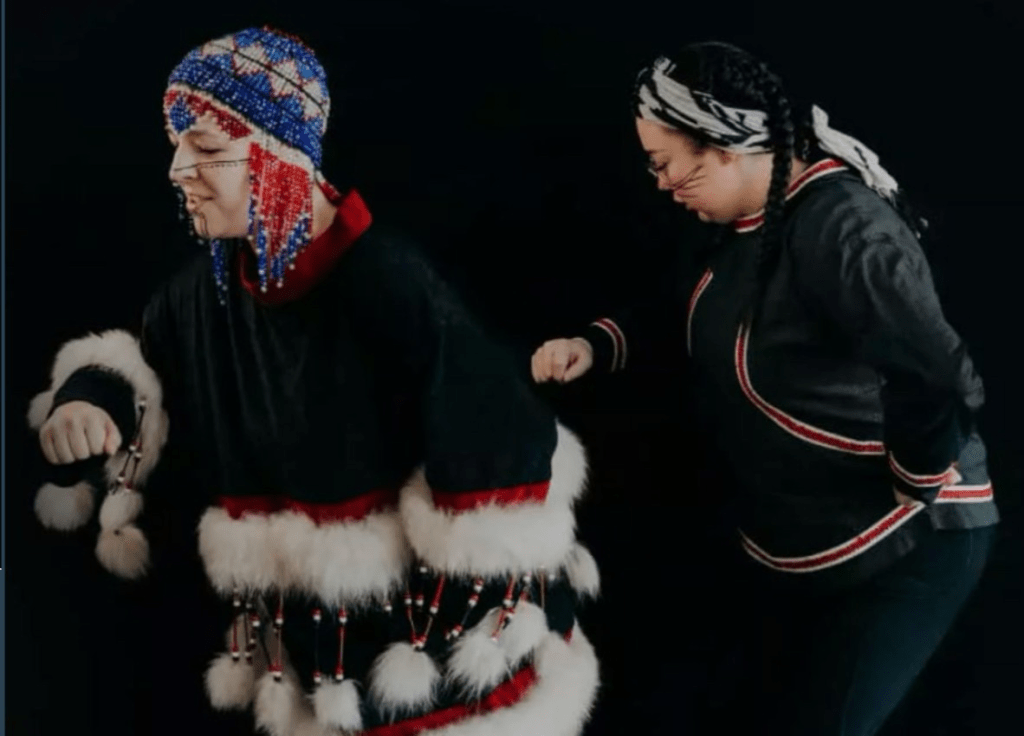
Although the Russian colonization of this region lasted less than a century, it created a rich history still evident today. Russian Alaska was similar to the American West in that is attracted a plethora of characters including explorers, merchants, clergymen, well intentioned and not so well-intentioned administrators, criminals, and business venturers. The initial drive for Russian colonization was the fur trade, however the Russian Orthodox church has had the greatest impact on the people here. This has resulted in a multifaceted, multicultural Orthodox community that is quite evident throughout this region even today. Akhiok’s only Russian Orthodox church was built in 1900.
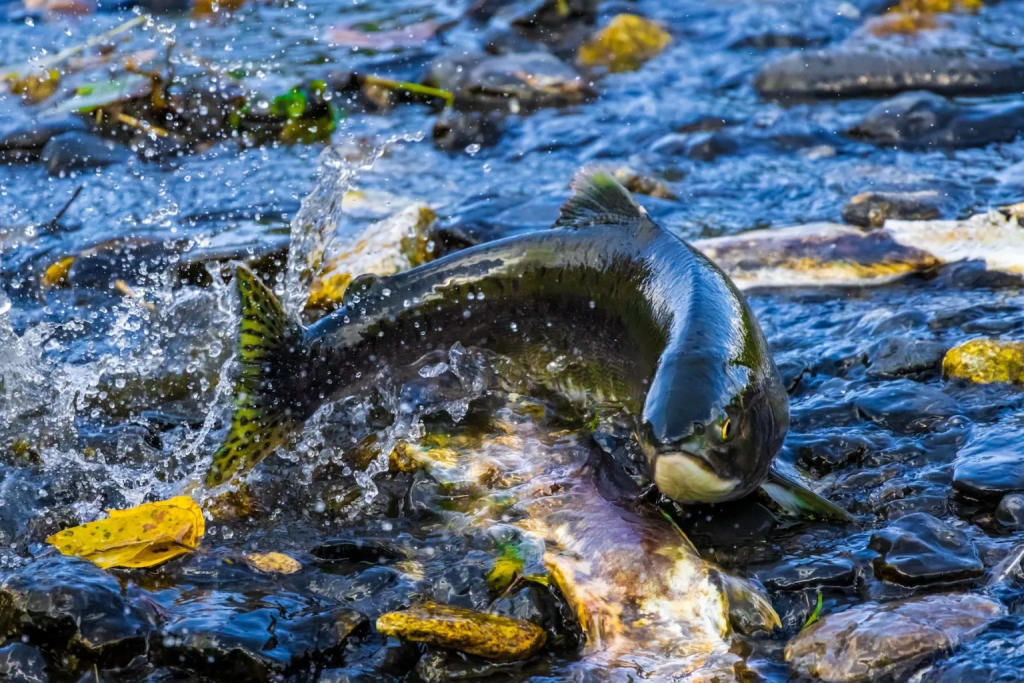
The people of Akhiok continue to live a coastal lifestyle relying on ocean resources and the rich surrounding lands with an abundance of mammals and berries. Akhiok’s economy revolves around fishing, with heavy salmon runs into Alitak Bay that support both commercial fisheries as well as Akhiok’s subsistence lifestyle. Some village members have worked in the Alitak cannery five miles south of Akhiok, while others rely on fishing commercially for crab, halibut and salmon.

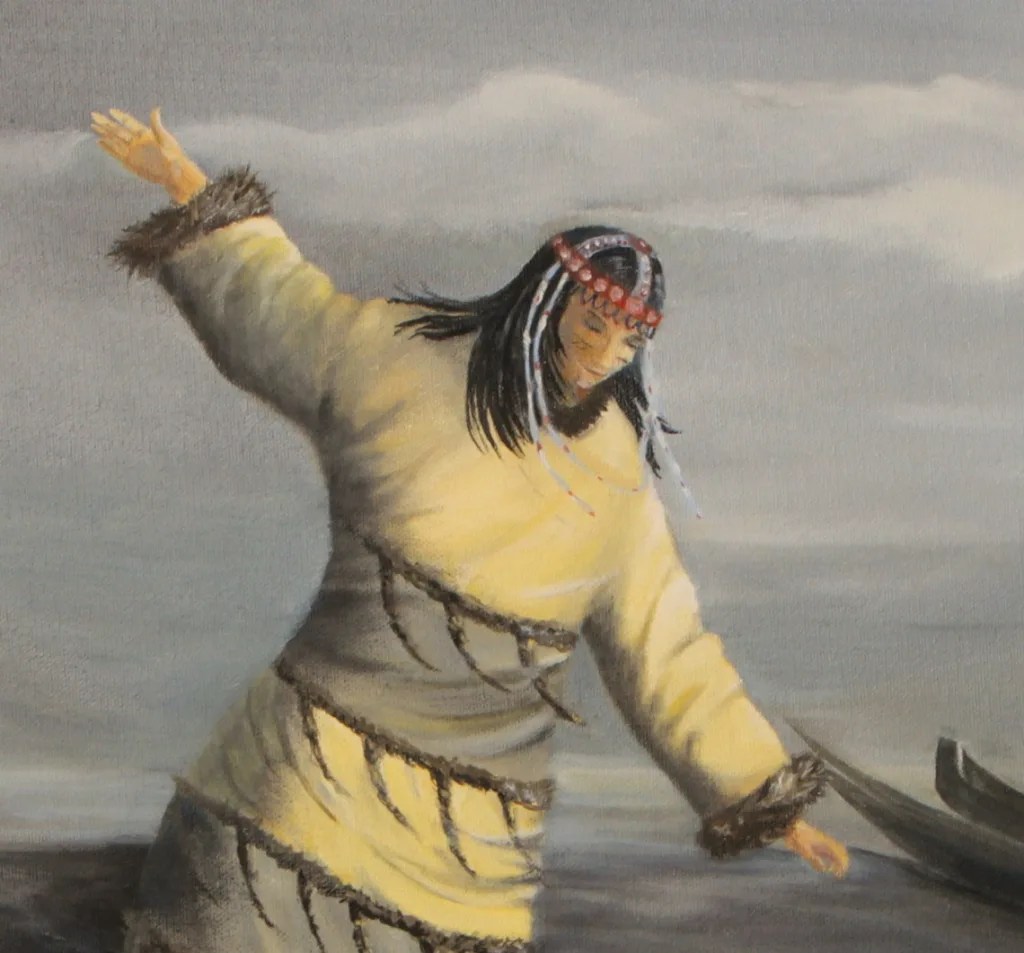
In winter, when there are limited land resources, they turn to the ocean and shores hunting octopuses, shellfish, and seaweed among other sea vegetation for food. Eventually, as winter progresses, sea life move closer to shore enabling the village to obtain more marine life including invertebrates, fish and sea mammals including salmon, cod, herring eggs, seals, and whales for sustenance. As winter closes, summer conditions enable more sea activity for the people of Akhiok/Alutiiqs. Fishing for halibut and cod is prevalent; while hunting for seals and sea lions as well as humpback whales prevails during warmer months. Summer also offers various shrubs and trees such as Sitka spruce, Cedar and Kenai birch to be harvested for both nutritional and medicinal values. Alutiiq traders used this time to engage with other traders from mainland Alaska for antler, ivory, stones and caribou pelts that are not available on Kodiak Island.
The fall is short and vibrant on Kodiak Island. Fall, also known as Uksuaq, is a time for winter preparations with berry picking, some salmon harvests, brown bear and duck hunting. Most of these harvests are preserved for winter via drying, smoking, oil storage, or freezing. There is limited hunting in the winter here – mostly for fox and ermine and only when the weather allows for it. Most of the population remains indoors and celebrations are held to give thanks to the harvest and ancestors.



 jensnorthernexposure.com
Leave a reply to Larry Shapnek Cancel reply